
What Working With a Loan Officer Costs in Temecula
Talking to a loan officer costs nothing. The loan costs something. Those two facts sit close enough together that buyers either skip the conversation they should be having or brace for a bill that never arrives. Officers are paid out of the loan when it funds, not by you up front, and a few of the costs that do land are ones you can shop.
Part of a guide
This is a deep dive from free help finding a Temecula loan officer, which covers the whole picture including how the match works and when to skip it entirely.
Talking to a loan officer costs nothing. The loan costs something. Those two facts sit close enough together that a lot of buyers conflate them, then either avoid the conversation they should be having or brace for a bill that never arrives.
So here is the money, laid out. Where a loan officer's compensation actually comes from, which line items belong to third parties rather than to the person helping you, and which of them you can move.
The short version
- The conversation, the pre-qualification, and the match are free.
- Loan officers are paid out of the loan when it funds, not by you up front.
- Some costs are third party (appraisal, credit report) and are not the officer's fee.
- Some closing costs are shoppable and some are not. Knowing which is the leverage.
- Compare Loan Estimates, not headline rates.
The part that is genuinely free
Getting matched, the first phone call, and a pre-qualification conversation carry no charge. Nobody invoices you for the twenty minutes it takes a competent officer to look at your situation and tell you what price range is realistic. That conversation is the single highest-value free thing in the home buying process, and a surprising number of buyers skip it because they assume it starts a meter.
It does not. A loan officer talking to a buyer who may or may not proceed is doing the ordinary work of the job. If someone wants a fee before they will discuss your scenario, that is unusual enough to walk away from.

Where the compensation actually comes from
A loan officer is paid when the loan funds, out of the loan itself. That is true whether you found them through a referral, a sign on Rancho California Road, or a matching service. The compensation is baked into the transaction rather than added on top because you arrived a particular way.
This is worth internalizing because it defuses the most common worry about free services: that the "free" is recovered somewhere invisible. In a mortgage, the officer's compensation exists regardless. A match does not create a new party who needs paying.
What it does mean is that a loan officer only earns if a loan closes, which is a real incentive worth being aware of. A good one manages that honestly, and will tell you when waiting is the better call. It is a fair question to ask directly, and the answer tells you a lot.
The three kinds of cost
Closing costs get discussed as one lump, which is why they feel arbitrary. They are actually three different things with three different levels of negotiability.
| Kind | Examples | Can you move it? |
|---|---|---|
| Lender costs | Origination, underwriting, processing | Sometimes, and they vary between lenders, which is why shopping works |
| Third-party services | Appraisal, credit report, title, escrow, recording | Some you may shop for, some are set by the lender or the county |
| Prepaids and reserves | Property taxes, homeowners insurance, interest to month end | Not really. This is your own money moving forward in time |
That third row causes more confusion than the other two combined. Prepaids are not a fee anyone is charging you. They are your taxes and insurance, collected at closing so the account starts funded. A buyer comparing two Loan Estimates who does not separate prepaids from lender costs will reach the wrong conclusion about which offer is better.
What is actually shoppable
Not everything, and pretending otherwise wastes energy that should go into the parts that do move.
Genuinely worth shopping
Lender costs, because they vary between lenders more than most buyers expect, and the rate-and-points combination, which is a real choice rather than a fixed quote. In many transactions certain third-party services can also be shopped. Ask which ones on your specific file, and get the answer in writing.
Not worth shopping
Recording fees and transfer taxes are set by government. Prepaid taxes and insurance are yours regardless. Time spent negotiating these is time not spent on the lines that would actually move.
The one people forget
The rate itself is a cost. A slightly higher rate with lower closing costs, or the reverse, changes what you pay over the years you keep the loan. If you expect to move or refinance in a few years, paying points to buy the rate down may never break even. Ask for the break-even and decide from that number rather than the monthly payment alone.
A worked comparison
Two offers, same borrower, same house. This is the shape of the mistake buyers make when they compare on the wrong line. The figures below are illustrative rather than quoted from any lender, and they are round on purpose.
| Line | Lender A | Lender B | What it tells you |
|---|---|---|---|
| Lender costs | Higher | Lower | The genuinely comparable part. B is ahead here |
| Third-party services | Similar | Similar | Largely the same providers, so rarely the difference |
| Prepaid taxes and insurance | Lower | Higher | Not a fee. Depends on closing date and tax timing |
| Cash to close | Lower | Higher | The headline that misleads, because prepaids are inside it |
| Rate | Lower | Higher | Check whether points were paid to get there |
A buyer comparing cash to close picks Lender A and feels efficient. A buyer comparing lender costs and rate together notices that A's lower rate may have been bought with points, and that B is cheaper on the part either lender actually controls. Neither buyer is being cheated. One of them is reading the right line.
Comparing two offers without fooling yourself

The Loan Estimate is a standardized form, and that standardization is the entire reason meaningful comparison is possible. Two lenders describing their offers in their own words are not comparable. Two Loan Estimates are, because the same information sits in the same place on both.
Three habits make the comparison honest. Gather the quotes within a day or two of each other, because rates move and a week-old quote is a history lesson. Compare the same loan structure, since a thirty year fixed and a seven year adjustable are different products and the cheaper-looking one is not necessarily cheaper. And read the lender cost section separately from prepaids, so you are comparing what the lender charges rather than how much of your own tax money each one happens to collect at closing.
Temecula specifics that move the number
Two local factors change closing costs and monthly payments in ways national calculators miss.
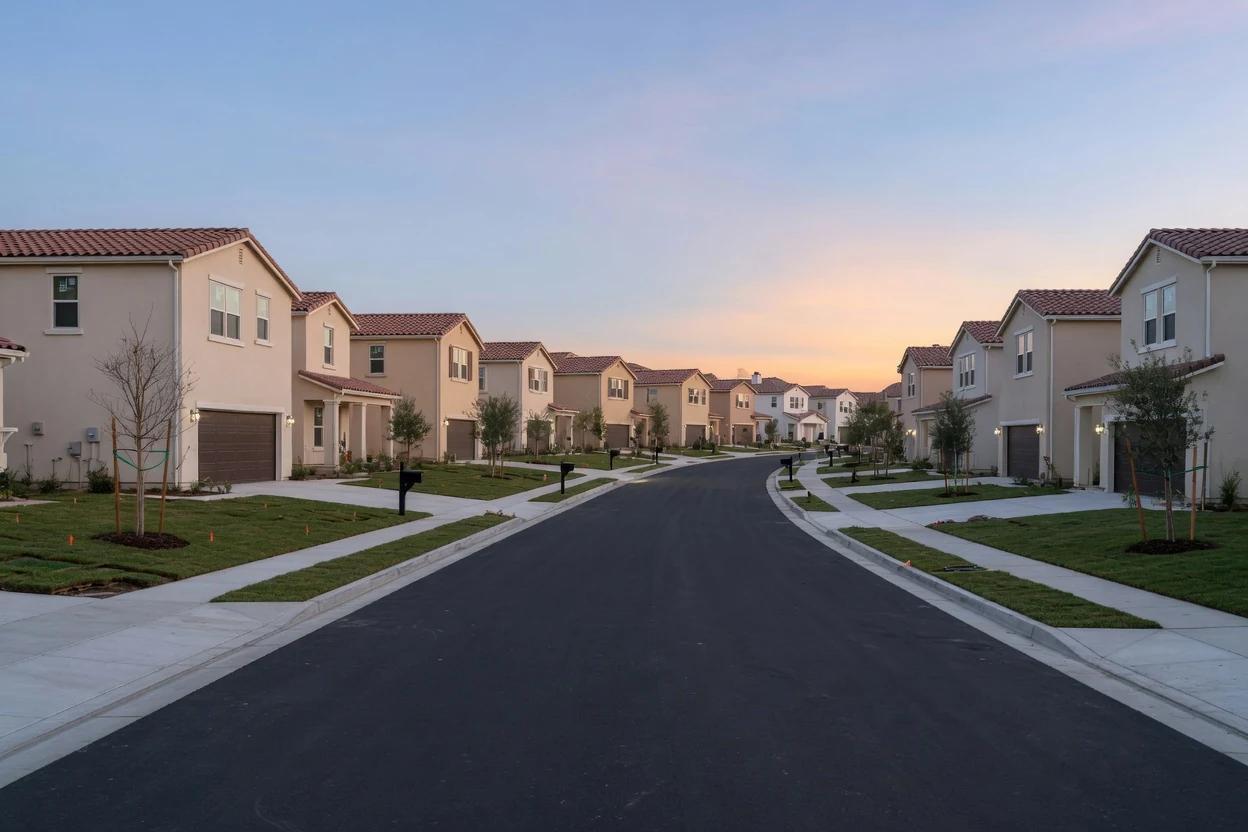
The first is Mello-Roos. Several newer neighborhoods sit inside a community facilities district, and that special assessment rides on the property tax bill. It raises your monthly obligation, it affects what you qualify for, and it inflates the prepaid taxes collected at closing. A quote that used a generic tax rate for a house inside a district is wrong, sometimes substantially.
The second is the appraisal on non-standard property. Acreage in De Luz or La Cresta, anything with a well or septic system, or a parcel with outbuildings can require more appraisal work than a tract home. Budget for the possibility that this line is higher than the number you saw quoted for a subdivision house, and treat a quote that ignores the distinction as a sign the officer has not done many of these.
Questions worth asking about cost, and when to ask them
Cost conversations go badly when they happen late. Most of the leverage exists early, before an application is in and before anyone has spent money on your behalf. These are the questions, in the order they are useful.
| When | Ask | What a good answer sounds like |
|---|---|---|
| First call | What do you charge, and when is it collected? | A direct answer, and a note that the conversation itself is free |
| First call | What will I pay before closing? | Usually the appraisal, sometimes credit. Named specifically |
| Before application | Which costs on this file can I shop? | A specific list, not "most of them" |
| At Loan Estimate | Which of these are prepaids? | A walk through the sections rather than a total |
| At Loan Estimate | Are there points in this rate, and what is the break-even? | A number of months, not a shrug |
| Before locking | What happens if we need to extend the lock? | The cost, stated before it is needed |
The last row catches people. A rate lock has an expiry, and purchases slip for reasons nobody controls, appraisals in particular on the kind of non-standard property this area has plenty of. Extension costs are ordinary and manageable when discussed in advance, and infuriating when they surface as a surprise in the final week.
Frequently asked questions
Does using a matching service cost more than going direct?
No. The officer's compensation is the same either way. A match does not add a party who needs paying.
Do I pay anything before closing?
Usually the appraisal and sometimes the credit report, which are third-party services rather than the officer's fee. Ask up front what is collected before closing and when.
Are "no closing cost" loans real?
They are real in the sense that you do not write a check at closing. The costs are generally absorbed into the rate or the balance instead. It can be the right choice if you are short on cash today, but it is a financing decision rather than a discount.
Can closing costs be negotiated?
Lender costs, sometimes. Government fees, no. In a purchase, seller credits toward closing costs are a separate lever worth discussing with your agent.
Is the lowest Loan Estimate always the best offer?
Not always. A lender who is cheap on paper and slow in practice can cost you a rate lock extension or, in a competitive purchase, the house. Weigh the number against the reputation for actually closing on time.
Takeaways
- The conversation and the match are free. The loan is not, and those are separate facts.
- Officer compensation comes out of the loan at funding, however you found them.
- Split closing costs into lender, third party, and prepaids before comparing anything.
- Prepaids are your own money moving forward, not a fee.
- Mello-Roos and non-standard appraisals are the two local factors that most often break a generic quote.
If you want the routing conversation before the cost conversation, free help finding a Temecula loan officer covers how the match works and which desk suits which kind of file.
Sources: NMLS Consumer Access