Buying Land in Temecula
From raw acreage to improved lots, buying land in the Temecula Valley is one of those purchases where what you can't see matters more than what you can. That sun-baked hillside view might be worth the drive, but the zoning designation, soil composition, and distance to the nearest utility main will determine whether your dream build is a straightforward project or a six-figure surprise.
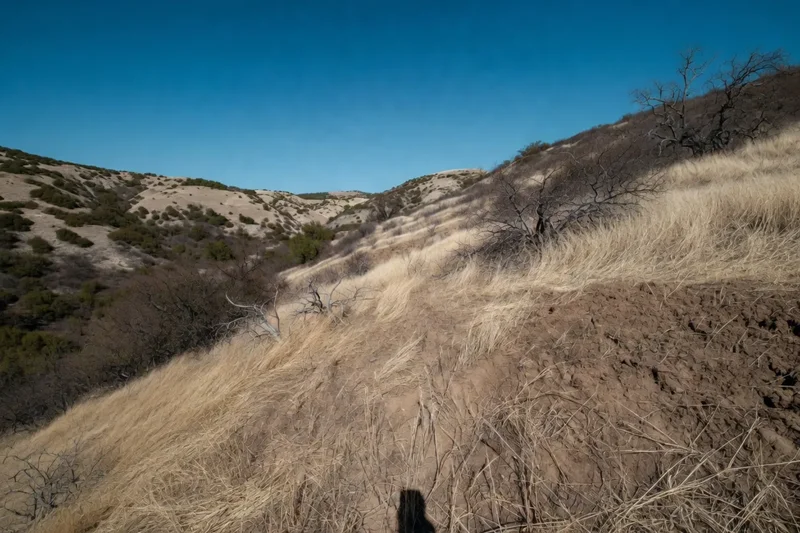
This is what most of Temecula's available raw land actually looks like: chaparral, decomposed granite, a slope angle that will make a geotechnical engineer raise an eyebrow, and a sweeping valley view that the listing photo always nails. The lots that pencil out tend to start exactly like this and finish with a perc test, a grading plan, and a long permit trail.
Call the Planner of the Day First
Before you make an offer on any Temecula parcel, call the City of Temecula Planning Department at 951-694-6400 and ask for the Planner of the Day. They will confirm the zoning designation, identify any specific plan overlays, and flag development constraints you would never catch from a listing photo. This one call can save you months of headaches.
Temecula sits at a crossroads of 14 Specific Plans that overlay its general zoning code, each dictating its own density, setback, and land-use requirements. A parcel in the Wine Country Community Plan carries different rules than one inside the Roripaugh Ranch Specific Plan, and neither behaves like unincorporated Riverside County land just across the city line in De Luz or Aguanga. Confirming whether your target parcel falls inside city limits (the city offers an online lookup tool) is the first move, because it determines which set of rules, fees, and permits apply to everything that follows.
The terrain itself adds layers. Temecula Valley parcels range from flat, graded lots near the I-15 corridor to steep hillside acreage in the eastern foothills. Raw land without road access, municipal water, or sewer connections requires wells, septic systems, and potentially long utility runs, each with its own Riverside County permitting process. The county's Department of Environmental Health handles septic (OWTS) permits, and a percolation test is required before any new system is approved. Factor in grading, fire access roads, and a geotechnical soil report, and development costs on raw land can easily add $50,000 to $150,000 before a single foundation form is set.
Land Loan Financing at a Glance
| Loan Type | Typical Down Payment | Rate Range | Best For |
|---|---|---|---|
| Raw Land Loan | 30%–50% | 6%–12%+ | Undeveloped parcels, no utilities |
| Improved Land Loan | 20%–35% | 5%–9% | Lots with road access and utilities |
| Construction-to-Permanent | 15%–30% | 5%–8% | Buy and build in one loan |
| USDA / Farm Service Agency | 5%–10% | 3%–5% | Agricultural or ranch land in rural zones |
| Owner Financing | 5%–20% | Negotiable | Smaller parcels, flexible terms |
Financing vacant land is a different animal than financing a home. Most conventional mortgage lenders will not touch raw parcels, which pushes buyers toward specialized land lenders, agricultural cooperatives like AgWest Farm Credit, or owner-carry arrangements. The less developed the parcel, the higher the down payment and interest rate, so understanding where your target property sits on the raw-to-improved spectrum directly shapes your budget. A land loan pre-approval before you start shopping is practically required, since sellers of desirable Temecula parcels (especially in wine country and the De Luz corridor) expect serious buyers to move quickly.
Before You Buy: The Temecula Land Checklist
- Zoning verification: Confirm the parcel's zoning designation and any Specific Plan overlay through the City of Temecula or Riverside County Planning. Check permitted uses, density limits, and setback requirements.
- Utility availability: Determine proximity to municipal water, sewer, electric, and gas lines. Off-grid parcels will need a well (check Riverside County well records) and a septic system (requires a perc test).
- Soil and geotechnical report: Required for hillside or graded lots. Identifies load-bearing capacity, drainage issues, and slope stability before you commit to a foundation design.
- Access and easements: Verify legal road access to the parcel. Some Temecula parcels are landlocked or share private roads with maintenance agreements.
- Development cost estimate: Budget for grading, utility trenching, fire access roads, impact fees, and permit costs. Raw land development in Riverside County commonly adds $50K to $150K+ to the purchase price.
- Fire and flood zones: Check CalFire's Fire Hazard Severity Zone maps and FEMA flood maps. High-fire zones require enhanced building materials and defensible space, adding to construction costs.
Sources: City of Temecula: Zoning, Riverside County Environmental Health: Land Development, Riverside County Environmental Health: Septic Systems, LandSearch: Temecula Land for Sale, Rocket Mortgage: Land Loans
Part of our Temecula land investigation guide.
Look Up Your Land Parcel
Search by APN or address to pull zoning, flood zone, and tax details for any Riverside County parcel.
Land Lookup Tool